
Temple Ceremonies
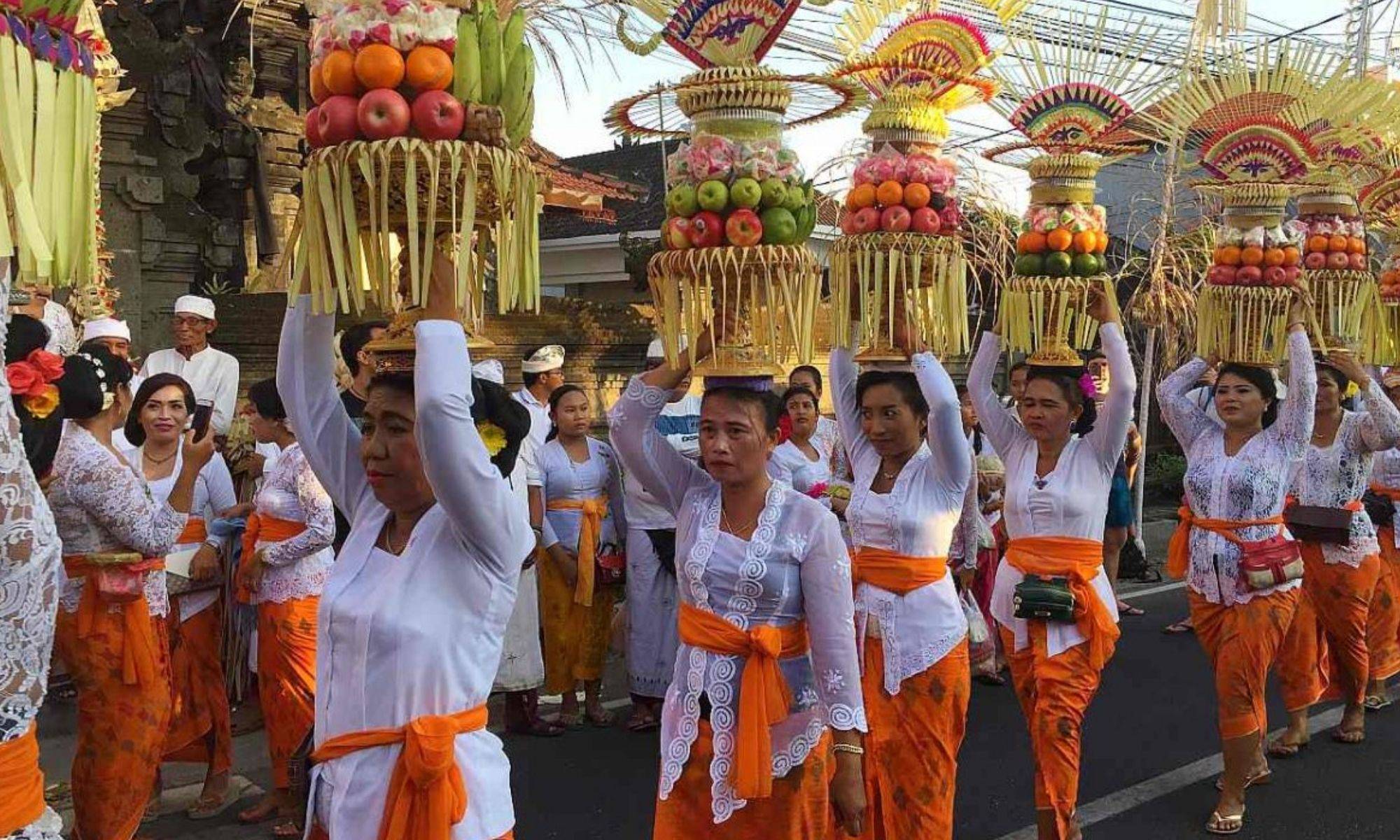
During temple celebrations (Odalan) in Ubud, tourists can see vibrant processions, colourful offerings, and traditional attire, but are restricted from entering the inner sanctum (Jeroan) or stepping into sacred shrines areas.
What Tourists Can See and Experience
- Street Processions and Music: Colourful parades of locals carrying intricate fruit and flower offerings on their heads, accompanied by traditional gamelan music.
- Decorations: Elaborate bamboo poles (penjor) lining the streets and temple gates during major holy days like Galungan and Kuningan.
- Outer Courtyards: Visitors dressed appropriately are often welcome to observe the festive atmosphere, view the outer temple architecture, and watch communal prayers from a respectful distance.
What Tourists Are Not Permitted to Do
- Enter Inner Sanctuaries: The most sacred innermost courtyard (Jeroan) is strictly reserved for active prayer and rituals.
- Step on Shrines: Never climb, sit on, or touch stone altars, statues, or high platforms where offerings or priests are positioned.
- Disregard Dress Codes: Entering without a proper sarong and sash is forbidden; regular shorts or revealing clothes are not allowed. During ceremonies dress code is strictly Adat only (traditional attire).
- Restricted Access for Women: Women who are currently menstruating are traditionally not permitted to enter Balinese temple grounds (cuntaka rule).
- Disrespectful Behaviour: Flash photography directly in front of praying worshippers, blocking ceremonial pathways, or speaking loudly is strictly frowned upon.
The best way to experience a temple ceremony is when there are street processions. Check with the Ubud tourist information centre or ask a local guide about upcoming ceremonies that include processions. Cremation ceremonies may also take place, so it is worth asking at the tourist information centre in Ubud town square for current details.