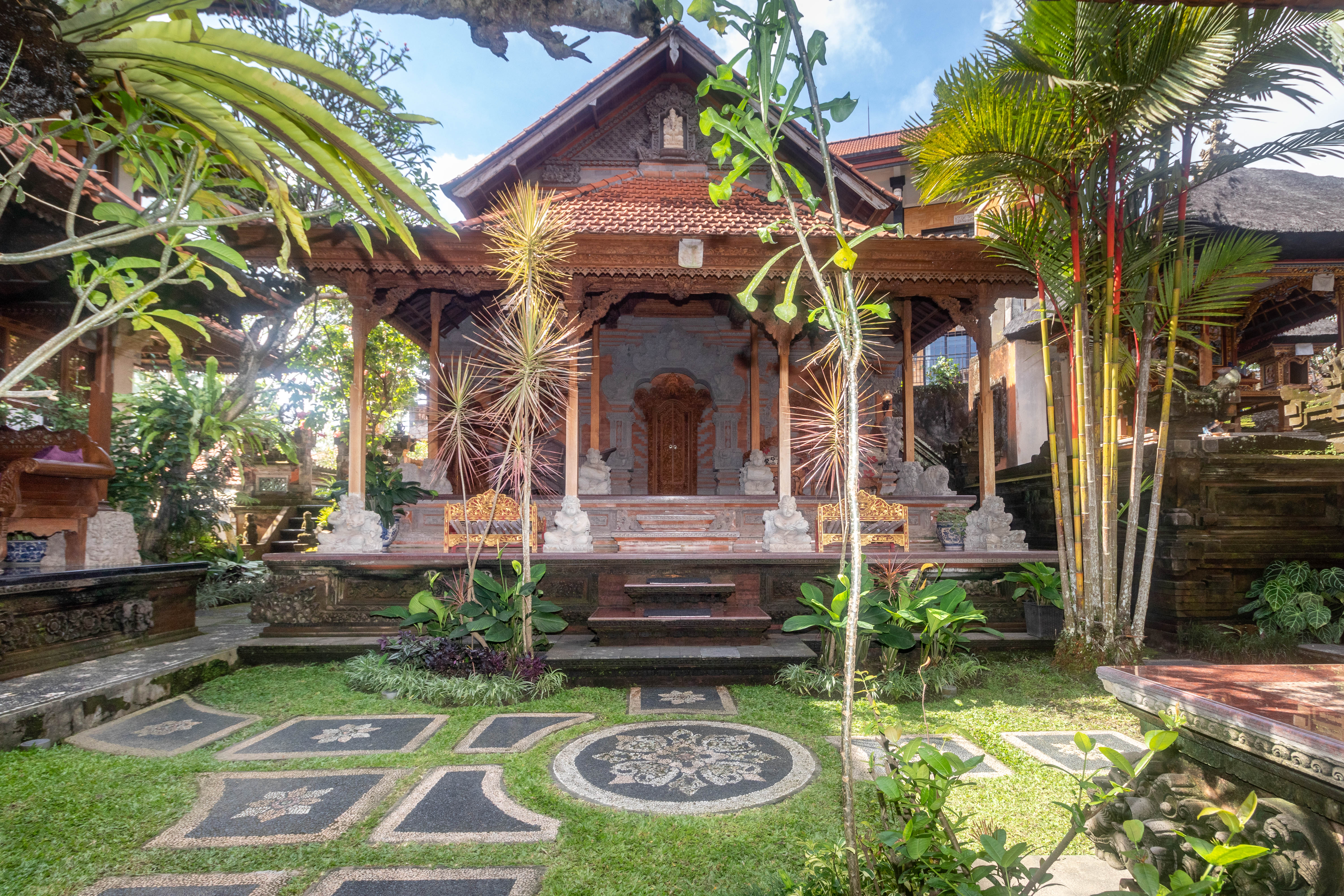
Narasoma is not just a place to stay, its also a family home
NARASOMA FAMILY
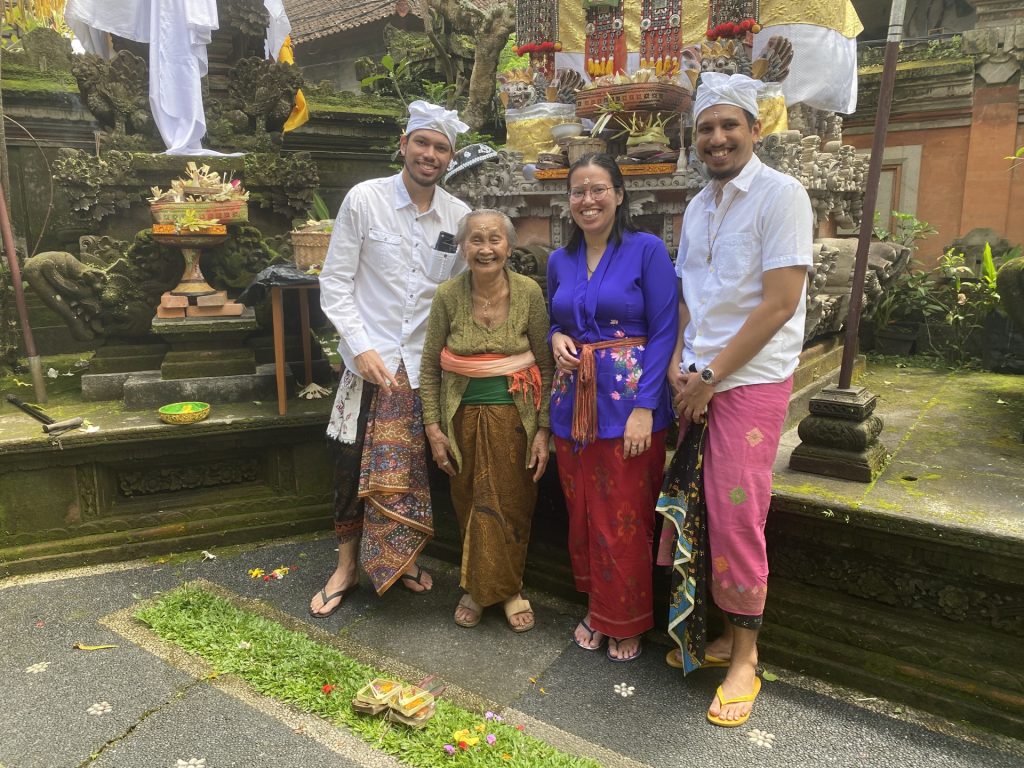
Meet the Narasoma Family.

TRADITION & CULTURE
Traditional & Cultural Activities.
FAMILY COMPOUND
Traditional Balinese Architecture
Narasoma Family
Lets start with our family!
We, the Narasoma family, welcome you to our special place in paradise. Bali has lots to offer for the cultural lover, it is a place of natural beauty and spirit energy. At Narasoma, you can enjoy your stay in a relaxed and friendly atmosphere.

Owners, Nyoman and Charlotta

Charlotta, Dadong and Oma. (Mother & Mother-in-law)

Wedding of Nyoman and Charlotta, the year 1994
Tradition & Culture

Ogoh Ogoh Parade

Galungan & Kuningan

Village Cremations
OGOH OGOH & NYEPI (Balinese New Year)
Balinese new year is called Nyepi and is held annually in March.
On Nyepi Day, we will not be able to accept any check-in nor check-out throughout the day.
Kindly be informed of the below situations during Nyepi Day:
Nyepi (Day of Silence) begins sunrise around 6:00 am and will go on until the next 24 hours. Silence! This means everything will be closed, no traffic, no loud music, no entertainment and people are asked to not speak loudly, talk with a quiet tone.
- Guests have to stay inside the area of Narasoma
- All shops and restaurants are closed on Nyepi Day
- When listening to music or watching a video inside your room, keep the sound at minimum level
- Lights are permitted inside the room with closed curtains. All lights outside of the rooms will be turned off
- There will be no traffic on that day in the whole Bali Island
- Ngurah Rai airport will be totally closed on Nyepi Day, so there will be neither arrival nor departure in the airport on that day. All connecting airports around the globe have been informed in advance about this.
- Across Bali, the activities are allowed only in emergency rooms and maternity section of hospitals. Any emergencies are taken into consideration and tolerated.
- Not all services in Narasoma will be operating normally
- Meals will be available at the tea house and will be scheduled during the day
- There will be no room or cleaning services availabe on Nyepi Day
One day before Nyepi, Pengerupukan Day, there will be an Ogoh-Ogoh parade performed by villagers all across Bali in the evening. Ogoh-Ogoh is the manifestation of a demon, an object or anything that disturbs humanity. Ogoh-ogoh symbolises Bhuta Kala, negative forces and lack of prosperity that can affect humans, so it is hoped that every human being thinks positively and protects themselves from negative energy.
The parade will start at the Ubud soccer field and will head towards the main crossroad (the meeting place of the demons). Beforehand, there will be a Perang Api (fire war) to start the parade.
The day after the Ogoh Ogoh parade is Nyepi, ‘ a day of Silence’. Relax and experience the quiet and peaceful rhythm of Narasoma Homestay & Retreat.
Happy Nyepi – Balinese New Year.
GALUNGAN & KUNINGAN
Galungan is a Balinese holy day celebrated every 210 days according to the Hindu Saka Calendar. Similar to Christmas! It’s a time of family gathering, offerings and prayer. Many families visit the village temples in the morning with their offering baskets. People visit the family home of their origin and enjoy a feast of food after praying. The Balinese also like to go out in their traditional costume and wear them for the rest of the day.
Galungan symbolises the victory of Dharma over Adharma or virtue over non virtue. It is believed that during the ten days of Galungan, all the gods, as well as the supreme deities, will come down to earth. The Balinese also believe that the spirit of ancestors and deceased relatives return to visit their homes, and for this reason the various rituals are conducted and offerings given to welcome them. Christmas time people decorate their Christmas trees and their houses. In Bali they decorate their family temples and bamboo penjors. Penjors are tall bamboo poles – these are decorated with coconut leaves cut and woven into ornamental designs and placed on the right side at the entrance of every home. At each gate, one will also find small altars set up especially for the holiday, each carrying baskets of offerings.
During Galungan, Ngelawang is a ritual to expel evil and any negative spirit, which is performed by the “Barong” – a divine protector in the form of a mythical beast. The Barong is similar to the Chinese lion and makes its way through the village during the Galungan period. His presence is meant to restore the balance between good and evil in the village houses.
Ten days of celebrating marks the closing of Galungan and is called Kuningan. As closure to Galungan, Kuningan also marks the return of all ancestors to their own realm.
As one of the most important religious activities on the island, Galungan provides the best opportunity to observe the most fascinating part of Bali’s unique culture.
Happy Galungan & Kuningan


Village Cremations
Balinese Cremation Ritual (Ngaben) Farewell and Transition into the afterlife !
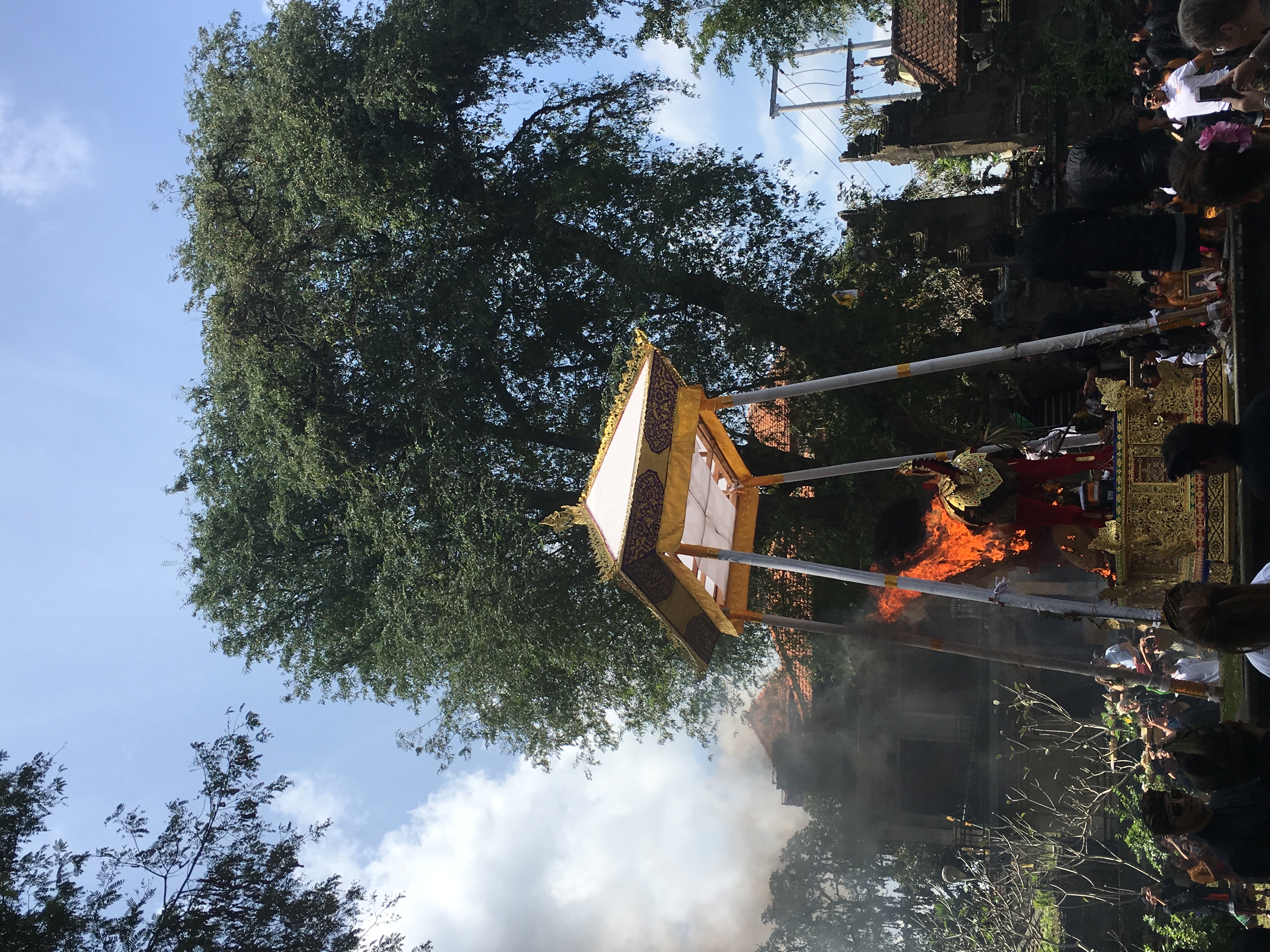
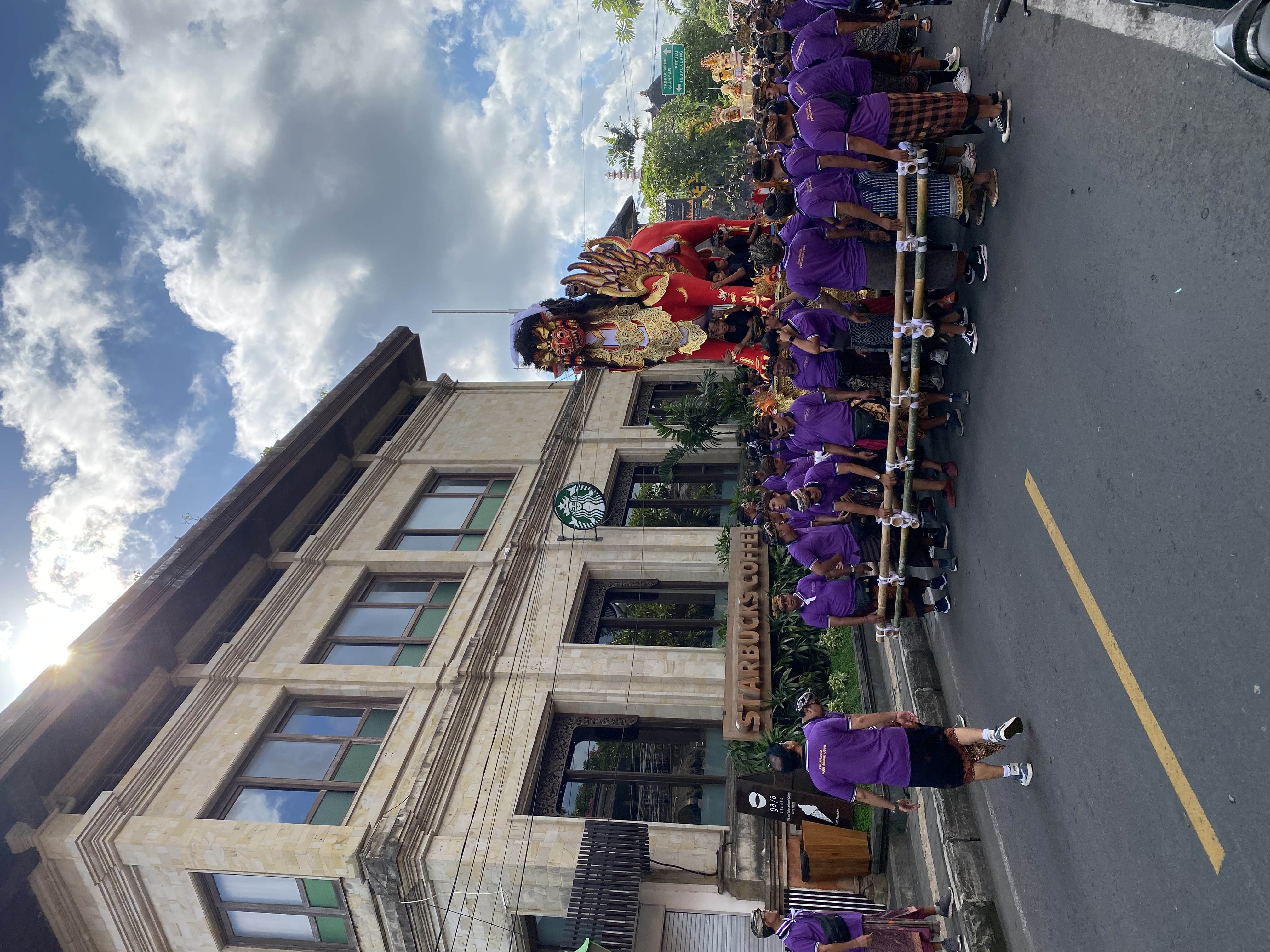
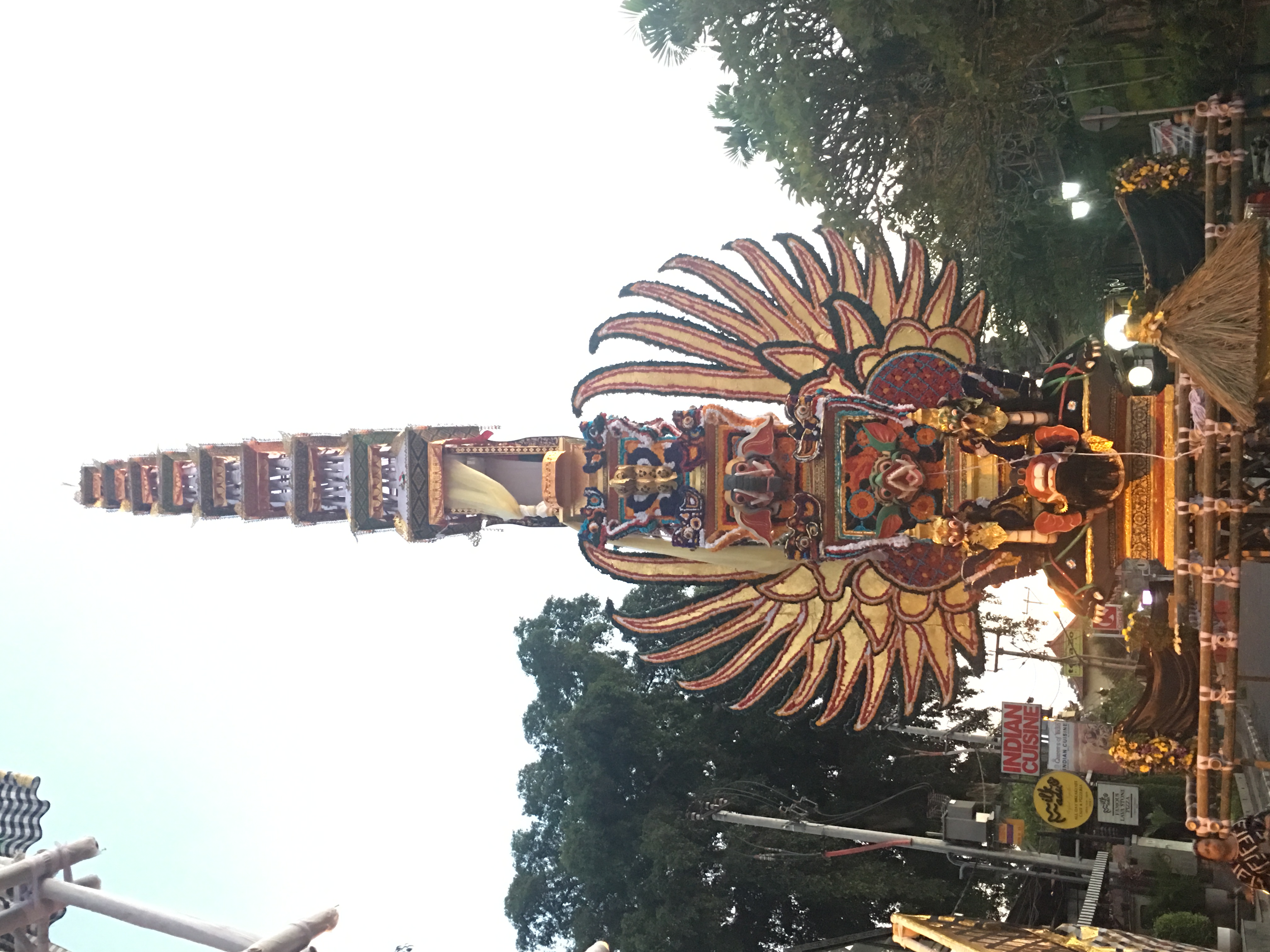
Bali’s cremation ceremony, called Ngaben (or Pelebon for royalty), is a Balinese Hindu ritual to release the spirit for reincarnation, involving elaborate processions with towers (bade) and bull-shaped coffins (lembu) to guide the spirit from the physical body, praying for a good transition, not an end, often held collectively, mass cremations.
In the immediate aftermath of death, a temporary burial takes place with minimal ritual and preparation before the body is taken for cremation. Sometimes families must use a cemetery as a temporary burial site for a loved one who has passed away, either because they lack the resources to pay for a proper ceremony or because they must wait for the appropriate day (hari baik) in the Balinese calendar.
A unique casket or sarcophagus (known as “Patulangan or Palinggihan”) is built in the shape of an animal such as a bull, cow, lion, deer, or elephant, depending on the gender, caste and status of the deceased (varna). It must be made from scratch so to speak and will be used to cremate the body. Hindus believe that Patulangan is used by the spirits of the dead as a vehicle to heaven.
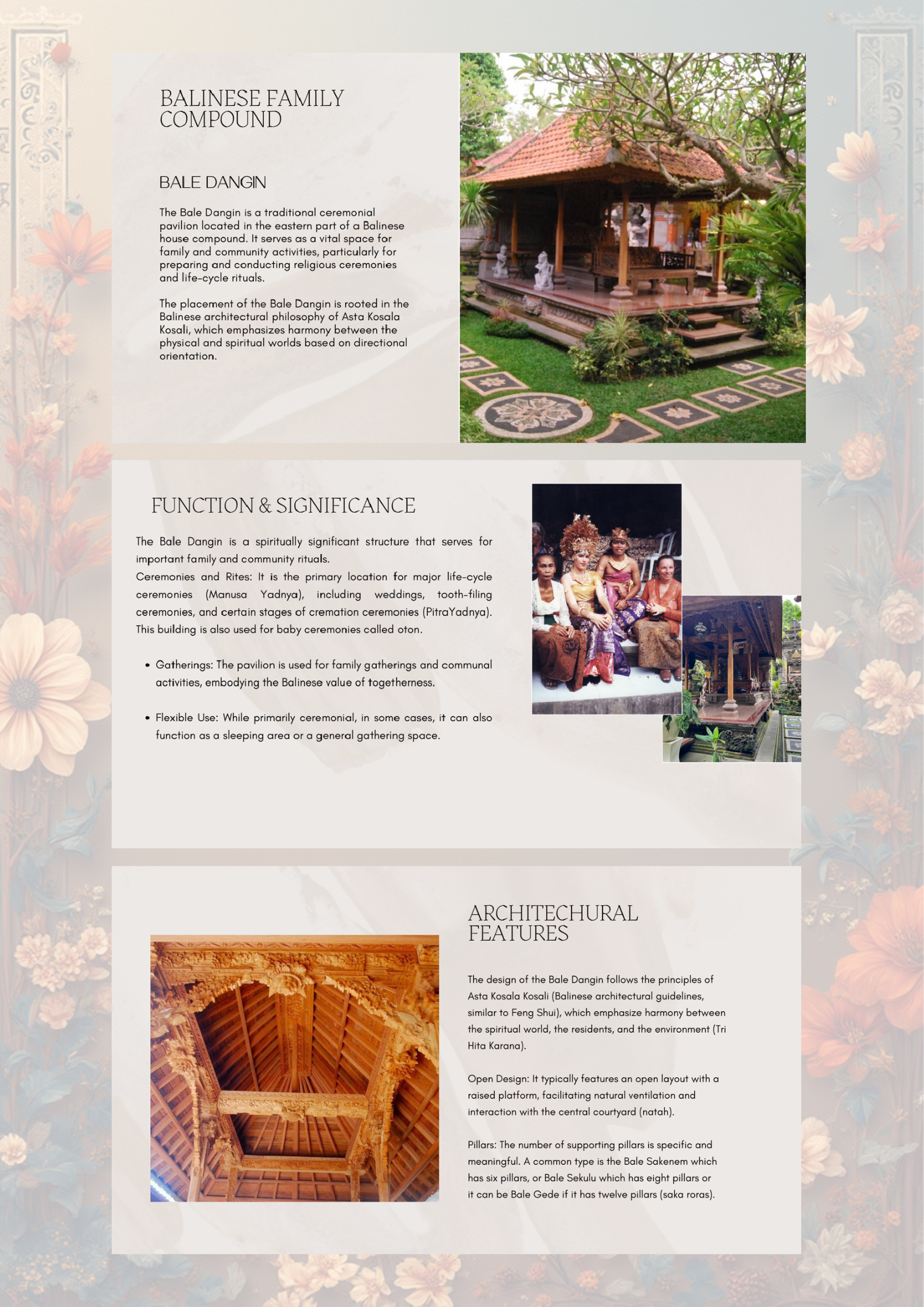
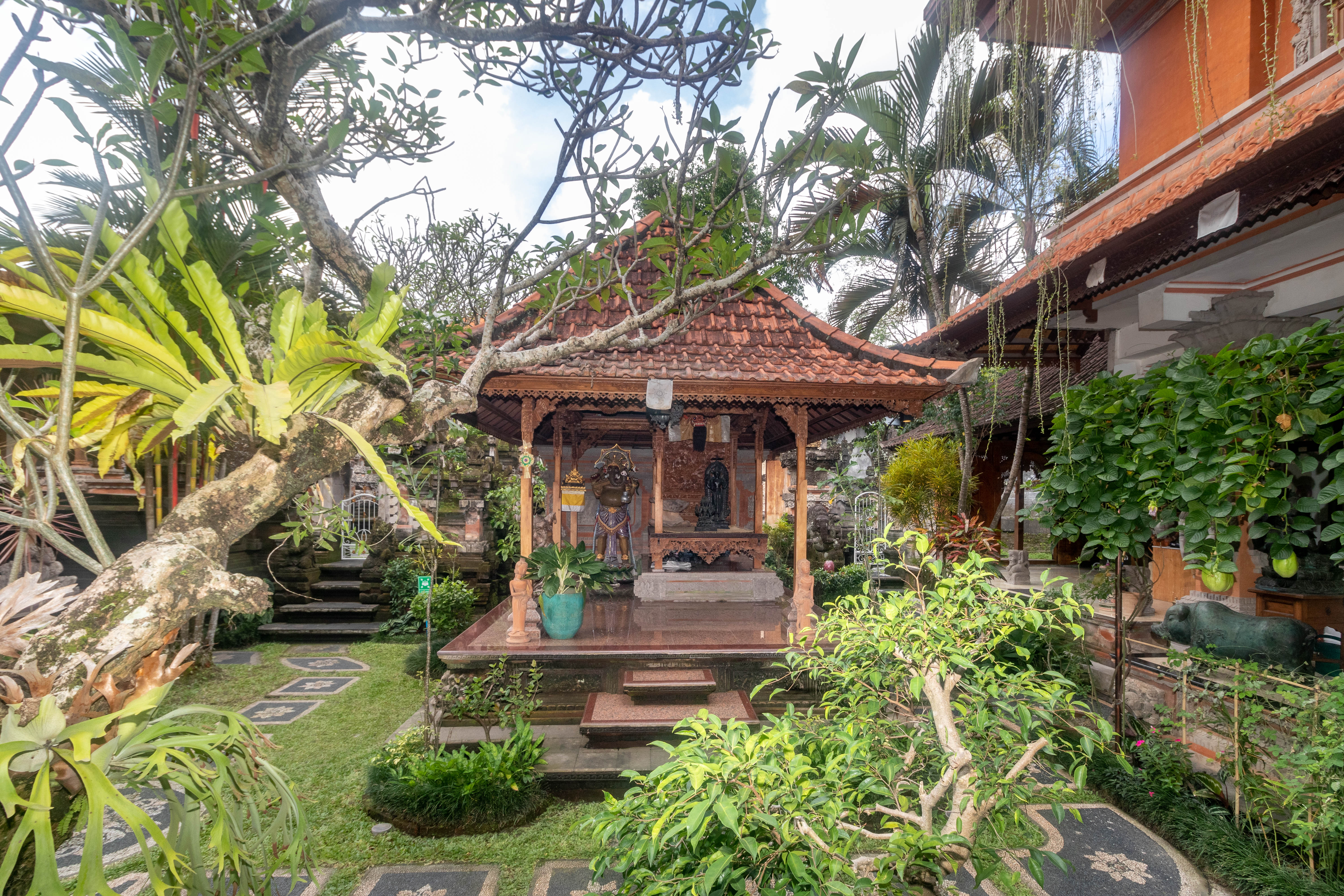
Family Compound
Balinese Traditional Architecture!
A Balinese family compound is a walled, multi-generational living space organized by spiritual principles, featuring distinct pavilions for sleeping (Bale Meten), ceremonies (Bale Dangin), communal use (Bale Dauh), kitchen (Paon), and a crucial family temple (Sanggah) in the northeast, fostering unity, tradition, and harmony with nature through shared living and daily offerings.